AN OPPORTUNITY, UP CLOSE
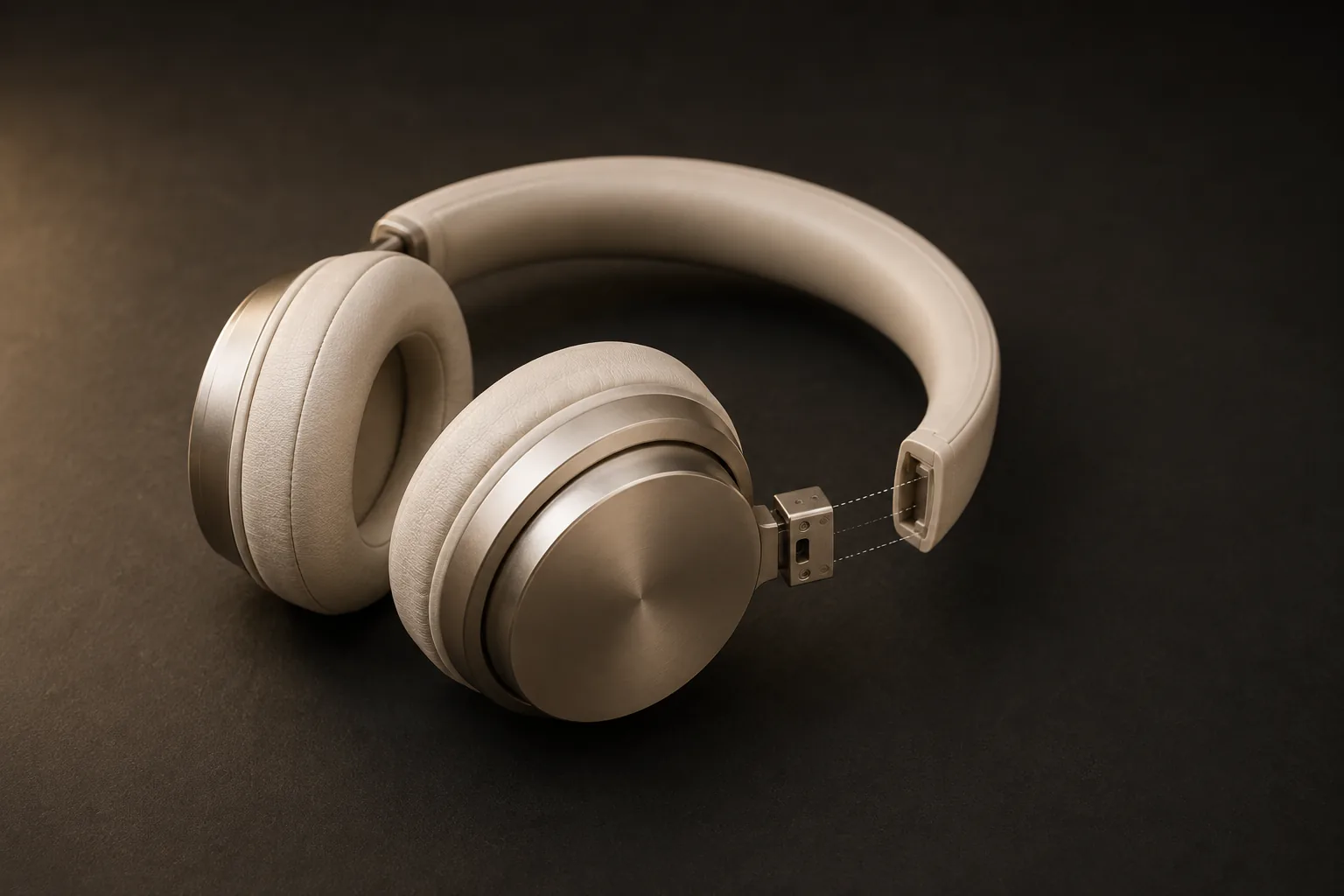
They see a broken product.
You see the missing piece.
“I want a practical online business. I can research, organise suppliers and help customers. I’m not an engineer.”
The missing-piece business.
Find a recurring fault in a product people want to keep. Start with one hard-to-find headphone housing or similar non-electrical part, then investigate a repeatable replacement kit.
- One recurring failure→
- A missing replacement→
- A reason to buy
- Who might buy
- Owners searching for a replacement part for a specific model they still use
- Where the advantage could come from
- AI-assisted fault research, a fit-tested design and small-batch production—without owning a factory
A worked example, not an available resultThis direction is not currently offered through the Scan. It shows how to think from buyer need to a business model; your results depend on what qualifies for your brief.
One design. More than one sale.
You run the research, supplier brief, shop and customer support. A qualified maker develops and tests the part. Start with one model and a small batch—not a custom engineering job for every order.
- Commission one design→
- Test the actual fit→
- Sell the same part again
- Illustrative kit price to test
- US$49 for one model-specific kit, including delivery
- Illustrative operating cost
- US$27 per order, including acquisition, fulfilment, returns allowance and your handling time
Open the assumptions and downside
- Part production
- US$6
- Packing and delivery
- US$6
- Selling and payment fees
- US$2
- Customer acquisition
- US$6
- Your time: 10 minutes at US$30/hour
- US$5
- Returns and remake allowance
- US$2
Allow US$600 for initial design, samples and setup time: 28 orders would cover that allowance alone. This is not whole-business break-even.
If acquisition costs US$14 and handling takes 30 minutes, contribution falls to US$4. Sales volume, supplier quotes and actual costs remain unknown.
Illustrative numbers, not proven earningsThese are assumptions, not supplier quotes or observed margins. Design rights, safe materials and physical testing need checking. The kit price is not Upside Radar’s price.
Will strangers buy the fix?
Read actual repair requests and check existing spares. Get design and production quotes, test a sample on the exact model, then offer a small batch to unrelated buyers already searching for that repair.
- Check demand and rivals→
- Quote and test a sample→
- Offer a small paid batch
- Look for a real commitment
- Paid orders at a viable price; record how each buyer found you and every minute of support
- Change or stop if
- Existing spares are better value, buyers will not pay, fit fails, or the true costs erase the margin
No outcome is pre-filledYour 30-day workspace starts when your Pack is produced. Keep commitments, refusals and objections; no real buyer responses are pre-filled here.
Where is the AI-era opportunity?
- Find a pattern others overlook
- Use AI-assisted research to group public fault reports, part names and model variants. Check the original reports: repeated mentions are leads, not proof that buyers will pay.
- Build once. Fulfil repeatedly.
- Commission a qualified designer and small-batch maker to develop and test a replacement. Keep the approved design for repeat orders. The buyer pays for the right fit, clear instructions and reliable delivery—not an AI file.
Repair parts and 3D printing are not new. The opportunity to investigate is whether better discovery and repeatable small runs make a specific neglected part worth supplying. AI does not replace measurements, material selection or physical testing.
What is real, and what is illustrative?
CentralSound sells model-specific headphone repair parts ↗. That establishes an existing commercial category—and competition. It does not establish our proposed costs, sales or a newcomer’s profit.
Formlabs describes replacement-part production ↗, including design and material considerations. Our unbranded image, founder brief and financial scenario are authored illustrations, not a customer success story or a tested product.
What would rule this opportunity out?
Cheap manufacturer spares, little remaining demand, expensive customer acquisition, unreliable fit or a design that cannot be sold lawfully. Check design rights, supplier terms and local product obligations before selling. Exclude electrical, battery, medical, protective and other safety-critical repairs from this starting scope.
This example is not currently an available Scan result or purchasable Decision Pack. A real Scan only shows directions that qualify for your brief. The illustration explains the product journey; it does not promise demand or profit.
START WITH YOUR OWN EXPERIENCE
What might you be overlooking?
Find my business directionKeep the free result. Pay only if a direction feels worth exploring.